
Living with severe depression can feel like an exhausting, uphill battle. When standard antidepressants fail to bring relief or cause unbearable side effects, it is completely normal to feel stuck and overwhelmed.
If you are searching for effective non-medication treatments for severe depression, you are not out of options. At Kayenta Therapy, we provide advanced, drug-free solutions right here in Las Vegas to help you reclaim your life and find lasting wellness.

For many people, the standard approach of taking daily medication simply does not work. This situation is often called treatment-resistant depression, which is typically diagnosed after trying two or more antidepressants without success.
Antidepressants are systemic medications, meaning they must travel through your entire body. This full-body journey frequently causes frustrating, long-term side effects like severe weight gain, chronic fatigue, and emotional blunting. Fortunately, non-medication treatments offer a way to target depression directly at the source without these whole-body side effects.
One of the most effective non-medication options available today is Deep Transcranial Magnetic Stimulation (Deep TMS). This FDA-cleared therapy uses targeted magnetic fields to gently stimulate the specific areas of the brain that regulate mood.
In a recent post on our blog detailing the long-term safety of magnetic brain stimulation, we explored how Deep TMS focuses on true healing by promoting neuroplasticity. This simply means the magnetic pulses help rewire and strengthen healthy neural pathways over time. Instead of just masking your symptoms for a few hours like a pill, Deep TMS helps heal the brain’s natural circuitry for lasting remission.
Unlike daily pills, Deep TMS is completely localized. Because the treatment strictly targets underactive mood centers in the brain, it completely avoids systemic issues like digestive problems, sexual dysfunction, or cognitive fog.
Deep TMS is entirely different from older treatments like Electroconvulsive Therapy (ECT) and is absolutely not “shock therapy”. ECT uses electrical currents to cause a brief seizure, requiring general anesthesia and often resulting in temporary memory loss. Deep TMS uses safe magnetic pulses, requires no anesthesia, and carries zero risk of memory loss.
Deep TMS is specifically designed to fit easily into your regular daily routine.
A standard treatment course involves short sessions 5 days a week for 4 to 6 weeks. Most patients begin noticing real, lasting improvement in their mood and energy within just 2 to 4 weeks.
While advanced treatments like Deep TMS address the biological side of depression, pairing them with talk therapy strengthens your results. At Kayenta Therapy, we believe in a comprehensive approach to mental health care. Engaging in psychotherapy alongside TMS allows you to build healthy coping mechanisms while your brain function actively improves.
You do not have to struggle through severe depression alone, and you do not have to settle for medications that make you feel worse. Non-medication treatments offer real, evidence-based hope for a brighter future.
Ready to explore your options? Complete our confidential online TMS screening form, browse our extensive therapist directory, or contact our Las Vegas clinic at (702) 438-7800 to schedule your evaluation today.
Living with severe depression can feel like an exhausting, uphill battle. When standard medications don’t bring the relief you deserve, it is completely normal to feel stuck and overwhelmed. However, it is important to know that you are not out of options.
At Kayenta Therapy, we offer an advanced, FDA-cleared treatment known as Deep Transcranial Magnetic Stimulation (Deep TMS) to help you find your way back to wellness. If you are searching for Deep TMS in Las Vegas, our compassionate team is here to provide a comfortable, cutting-edge alternative to traditional treatments.
Deep TMS is a non-invasive brain stimulation treatment that uses targeted magnetic fields to activate specific areas of the brain responsible for regulating your mood. These underactive areas are gently stimulated using technology similar to a standard MRI machine.
Over a multi-week treatment course, this repeated stimulation supports neuroplasticity, which is your brain’s natural ability to restructure and form healthy new connections. As detailed in our comprehensive safety guide, “Kayenta – Is TMS Safe“, this process safely helps “rewire” and strengthen healthy neural pathways over time. Rather than just masking your symptoms day-by-day, Deep TMS focuses on long-term neurological healing.
Many patients seek out our clinic because they are experiencing severe medication fatigue or unbearable daily side effects. Antidepressant medications are systemic, meaning they must travel through your entire digestive and circulatory system to reach your brain. This full-body journey often triggers frustrating long-term side effects like weight gain, severe fatigue, chronic dry mouth, and emotional blunting.
In contrast, Deep TMS is entirely localized. The magnetic pulses strictly target the mood-regulating regions of the brain, completely bypassing your digestive tract. Because it does not flood your whole body, you can completely avoid the systemic side effects associated with daily pills.
It is common to feel a bit anxious when you first hear about magnetic brain stimulation. Some people mistakenly confuse TMS with Electroconvulsive Therapy (ECT), but they are entirely different treatments.
ECT relies on electric currents to intentionally induce a brief seizure in the brain, which requires general anesthesia and can cause temporary memory loss. Deep TMS does not use electrical currents, requires absolutely no anesthesia or sedation, and does not cause memory loss. You remain completely awake, alert, and relaxed throughout your entire session.
We understand that your schedule is busy, which is why we utilize advanced BrainsWay Deep TMS technology designed to fit seamlessly into your routine.
Our standard treatment protocol consists of short sessions held 5 days a week over a 4-to-6-week period. Most patients begin noticing meaningful improvements in their mood, focus, and energy levels within just 2 to 4 weeks of consistent treatment.
Yes, Deep TMS is incredibly safe and has an excellent long-term clinical safety profile. The most common side effects are temporary and mild, such as a slight tapping sensation on the scalp or a mild headache during the first week of treatment.
You are generally considered a good candidate if you have tried two or more antidepressant medications without experiencing significant symptom relief. However, individuals with a history of epilepsy, a diagnosed seizure disorder, or non-removable magnetic metal implants in or around the head are disqualified from receiving TMS.
Yes, many major insurance plans provide coverage for Deep TMS when treating treatment-resistant depression. At Kayenta Therapy, we currently accept Aetna, UMR, UnitedHealthcare, Optum, Golden Rule, United Student Resources, and Cigna Evernorth, and our dedicated team will gladly handle the pre-authorization process to verify your benefits.
If you are tired of cycling through treatments that do not give you the relief you need, Deep TMS offers a safe, evidence-based path forward. You do not have to navigate this journey alone.
Take the first step toward reclaiming your mental health today. Please complete our confidential online TMS screening form, explore our comprehensive therapist directory, or call our Las Vegas clinic directly at (702) 438-7800 to schedule your initial evaluation.</span
It is completely normal to feel a bit anxious when researching new mental health treatments. When you hear terms like “magnetic brain stimulation,” it is easy to imagine a sci-fi scenario and wonder: Is TMS actually safe? Will it change who I am? Are there long-term side effects?
The short answer is yes, TMS is incredibly safe long-term. Deep TMS (Transcranial Magnetic Stimulation) is an FDA-cleared, non-invasive therapy with an excellent long-term safety profile. Unlike traditional antidepressant medications or older treatments, Deep TMS offers the potential for lasting relief from depression and OCD without permanent negative side effects.
Here is everything you need to know about the science, safety, and long-term effects of Deep TMS.
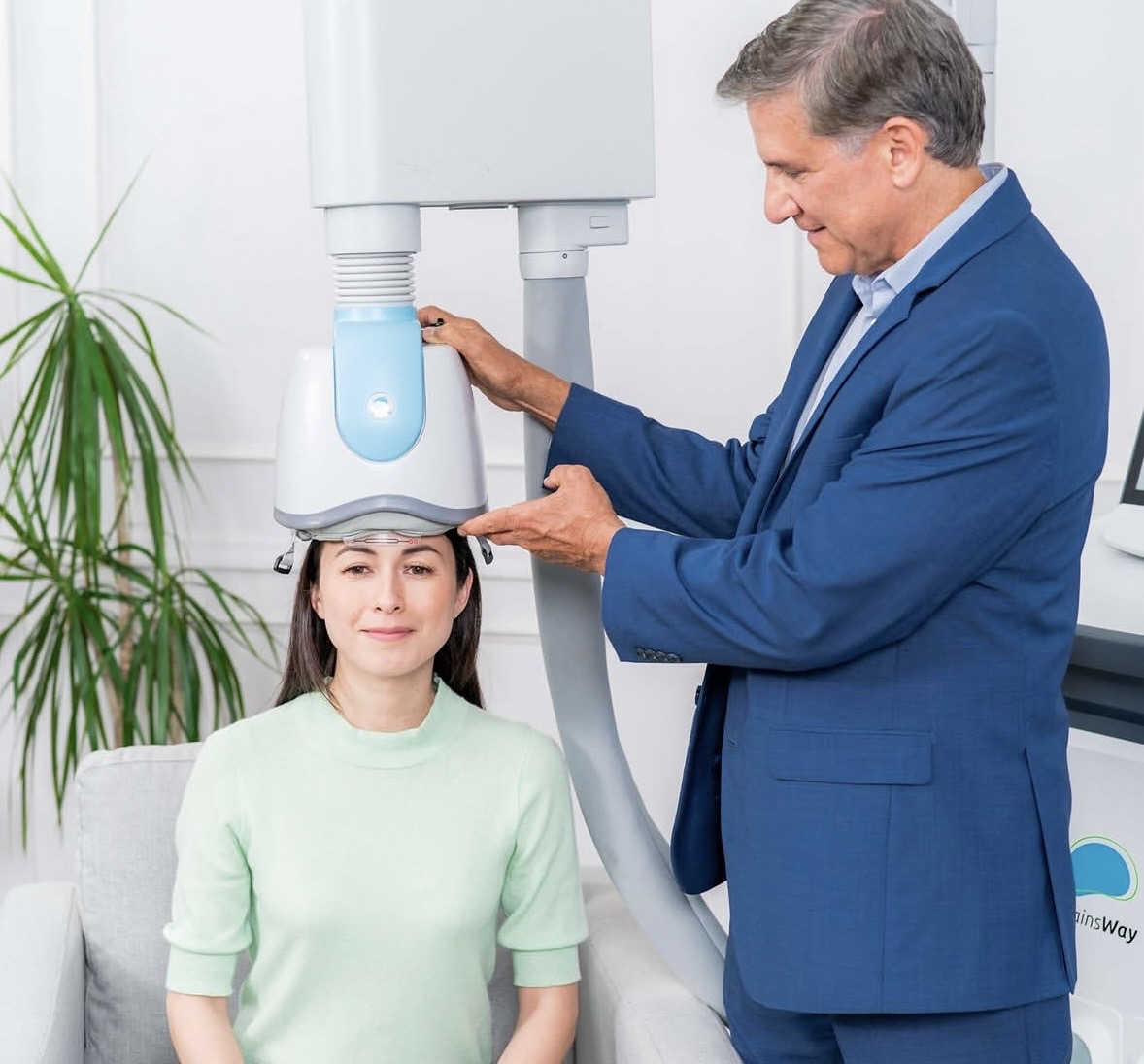
To understand why TMS is safe, it helps to understand how it works. Deep TMS uses the same type of non-ionizing magnetic fields as a standard MRI machine.
Decades of clinical research and millions of treatment sessions worldwide have consistently shown that this type of magnetic energy is harmless to brain tissue. At Kayenta Therapy, we utilize BrainsWay Deep TMS technology, which includes built-in safety measures to perfectly regulate the magnetic intensity for each patient.
When discussing long-term safety, it is helpful to compare Deep TMS to standard treatments like SSRIs (antidepressants).
Medications are systemic. When you swallow a pill, it must be digested and travel through your entire body before reaching your brain. This systemic journey is why antidepressants frequently cause persistent, long-term side effects such as severe weight gain, sexual dysfunction, chronic fatigue, dry mouth, and emotional blunting.
TMS is localized. It bypasses your digestive system entirely and strictly targets the specific underactive mood-regulating centers of the brain. Because it doesn’t flood your whole body, it completely avoids those frustrating, long-term physical side effects.
We believe in complete clinical transparency. While there are no long-term adverse effects, you may experience some short-term, mild side effects as your body adjusts to the magnetic pulses.
The most common temporary experiences include:
These side effects are generally mild and tend to fade completely within the first week or two of treatment. Most patients easily manage any initial headaches with over-the-counter pain relievers like ibuprofen.
The most significant long-term effects of TMS are overwhelmingly positive.
Deep TMS promotes a concept called neuroplasticity. By sending repeated magnetic pulses to underactive regions of the brain, TMS helps “rewire” and strengthen healthy neural pathways. A standard 4-to-6-week course of treatment often leads to a sustained remission from treatment-resistant depression that can last for years. Rather than just masking your symptoms day-by-day with a pill, TMS actually helps heal the brain’s circuitry over time.
While TMS is highly safe for the vast majority of people, certain medical histories disqualify individuals from receiving treatment. You are not a candidate for TMS if you have:
If you are tired of cycling through medications that don’t work or cause unbearable side effects, Deep TMS offers a safe, evidence-based path forward.
Take the next step toward reclaiming your mental health. Complete our online TMS screening form today, or contact our Las Vegas clinic at (702) 438-7800 to schedule a consultation with our psychiatry team.
Living with depression that doesn’t improve—despite trying multiple medications, therapy approaches, or lifestyle changes—can feel exhausting and deeply discouraging. Many people with treatment-resistant depression describe feeling stuck, hopeless, or burned out after years of pursuing different treatment options with minimal relief.
For individuals in this situation, TMS for treatment-resistant depression offers a promising, evidence-based alternative. Transcranial Magnetic Stimulation (TMS) is an FDA-approved, non-invasive treatment that targets the brain directly rather than relying on systemic medication. At Kayenta in Las Vegas, we provide Deep TMS, an advanced form of TMS specifically designed to help people who haven’t adequately responded to traditional treatments.
Treatment-resistant depression (TRD) is typically diagnosed when a person has tried two or more antidepressant medications—at adequate therapeutic doses and for sufficient duration—without experiencing meaningful improvement in their symptoms.
Treatment-resistant depression can significantly impact every area of your life, including:
Over time, repeated treatment failures can lead to profound frustration, self-doubt, and emotional exhaustion. It’s crucial to understand that TRD does not mean your depression is untreatable—it often simply means a different therapeutic approach is needed.
TMS therapy is a non-invasive brain stimulation treatment that uses precisely targeted magnetic pulses to activate specific areas of the brain involved in mood regulation. These brain regions—especially the dorsolateral prefrontal cortex (DLPFC)—show significantly reduced activity in people experiencing depression.
At Kayenta in Las Vegas, we specialize in Deep TMS, which uses advanced coil technology to reach deeper brain structures and target larger areas associated with emotional processing and mood regulation. This deeper penetration often results in stronger outcomes for treatment-resistant depression compared to traditional TMS.
During Deep TMS treatment:
In people with TRD, certain brain networks involved in mood regulation, motivation, and emotional processing don’t function optimally. TMS for treatment-resistant depression works by repeatedly stimulating these underactive brain regions over the course of treatment.
Over time, this repeated stimulation:
Extensive clinical research has demonstrated that many individuals with TRD experience significant symptom improvement with TMS therapy. Studies show:
A typical course of Deep TMS at Kayenta includes:
Most patients describe the treatment sensation as mild tapping or rhythmic clicking on the scalp. While it may feel unusual at first, most people adjust quickly and find it becomes more comfortable after the first few sessions.
No downtime is required, allowing you to continue working or managing daily responsibilities throughout treatment. Many patients begin noticing mood improvements after 2–4 weeks of consistent treatment, with continued progress developing throughout the full course and often continuing after treatment completion.
Patients often choose TMS therapy because it offers:
Clinical Advantages:
Practical Benefits:
For many people, TMS provides renewed hope and tangible relief after years of limited treatment options.
While TMS addresses the biological foundations of depression by rebalancing brain activity, combining it with other therapeutic supports can significantly strengthen and sustain your results.
At Kayenta, we offer both TMS and talk therapy services, allowing you to receive coordinated, comprehensive mental health care in one convenient location. Many patients achieve optimal outcomes by pairing TMS with:
Professional Support:
Lifestyle Support:
As brain function improves with TMS, many patients find that talk therapy and lifestyle changes become easier to engage in and significantly more effective.
You may want to explore TMS for treatment-resistant depression if you:
The process begins with a required TMS screening form, which can be completed:
Next Steps: After submission, our psychiatrist carefully reviews your responses to determine if you may be a good candidate for TMS therapy. If you appear to be suitable, we’ll contact you to schedule a comprehensive TMS Evaluation appointment with our psychiatrist to confirm whether Deep TMS is appropriate for your specific situation.
While not everyone qualifies for TMS therapy, most people with treatment-resistant depression do meet the eligibility criteria.
Kayenta currently accepts:
Additional insurance plans are being added regularly.
Our team will assist with insurance verification, pre-authorization, and helping you understand your coverage and any out-of-pocket costs.
How is TMS different from ECT (electroconvulsive therapy)? Unlike ECT, TMS requires no anesthesia, causes no seizures, and has no recovery time. You remain fully awake and can resume normal activities immediately after each session.
Will my insurance cover TMS therapy? Many insurance plans now cover TMS for treatment-resistant depression. Our team will help verify your specific coverage and benefits.
What if I’m currently taking antidepressants? You can continue taking your current medications during TMS treatment. Many patients find TMS works well alongside their existing medication regimen.
Are the results from TMS permanent? Many patients experience lasting improvements for months or years after completing treatment. Some may benefit from occasional maintenance sessions.
If you’ve been living with depression that hasn’t responded adequately to medications, it’s completely understandable to feel discouraged—but recovery is still possible. TMS for treatment-resistant depression offers a scientifically supported, non-invasive option that has helped countless people find meaningful relief after years of struggling with ineffective treatments.
At Kayenta in Las Vegas, we’re committed to helping individuals explore advanced treatment options with compassion, clinical expertise, and personalized care.
👉 Ready to explore your options? Complete our TMS screening form online or call our office at (702) 438-7800 to complete it by phone with our receptionist.
👉 What happens next: If appropriate based on your screening, we’ll reach out to schedule your TMS evaluation appointment and help you determine whether Deep TMS could be the right treatment approach for you.
You’re not out of options—and you don’t have to face this journey alone. Contact Kayenta in Las Vegas today to discover how TMS therapy can offer new hope for lasting relief from treatment-resistant depression.
If you’re searching for TMS therapy in Las Vegas, you’re likely looking for more than just information—you’re searching for real, lasting relief from depression. For individuals living with depression that hasn’t improved with medication or traditional therapy approaches, Transcranial Magnetic Stimulation (TMS) offers a proven, non-invasive treatment option right here in the Las Vegas valley.
At Kayenta in Las Vegas, we provide Deep TMS, an FDA-approved therapy designed to rebalance brain activity and improve mood without medication, surgery, or downtime.
TMS therapy (Transcranial Magnetic Stimulation) is a non-invasive treatment that uses targeted magnetic pulses to stimulate underactive areas of the brain involved in mood regulation. These brain regions—most commonly the dorsolateral prefrontal cortex (DLPFC)—show reduced activity in people experiencing depression.
Unlike antidepressant medications that affect your entire body’s chemistry, TMS works directly on the specific brain regions linked to depression. This focused approach makes it an effective option for those seeking non-invasive depression treatment in Las Vegas without the systemic side effects of medication.
At Kayenta, we specialize in Deep TMS rather than traditional TMS. Deep TMS technology reaches deeper brain structures and targets larger areas of the brain, which has shown stronger outcomes for treatment-resistant depression compared to standard TMS approaches.
TMS therapy in Las Vegas may be an excellent option if you:
While most people are good candidates for TMS, not everyone qualifies. Kayenta uses a careful screening and evaluation process conducted by our psychiatrist to determine whether TMS is appropriate and safe for your specific situation.
A typical TMS treatment course at Kayenta includes:
During Treatment: You’ll sit comfortably in a specialized chair while a cushioned helmet delivers gentle magnetic pulses to targeted brain areas. Most patients describe a light tapping sensation on the scalp. This sensation typically becomes more comfortable after the first few sessions as you adjust to the treatment.
Timeline for Results: Many patients begin noticing mood improvements within 2-4 weeks of starting treatment, with continued enhancement throughout the full treatment course.
Receiving TMS therapy near you offers important practical advantages:
At Kayenta in Las Vegas, patients receive personalized, compassionate care in a supportive professional environment using the most advanced Deep TMS technology available.
Insurance Coverage: Many insurance plans now cover TMS therapy for treatment-resistant depression. Kayenta currently accepts:
Additional insurance providers are being added regularly.
Our knowledgeable team assists with insurance verification, pre-authorization, and single-case agreements when applicable. We’ll work with you to understand your coverage and out-of-pocket costs before beginning treatment.
Without Insurance: For patients paying out-of-pocket, TMS therapy typically ranges from $5,000 to $10,000 for a full treatment course.
Beyond TMS therapy, Kayenta also offers talk therapy services, allowing you to receive coordinated, comprehensive mental health treatment in one convenient Las Vegas location. Many patients achieve optimal results by combining TMS with ongoing therapy, as this integrated approach addresses both the biological and psychological aspects of depression.
Kayenta’s process is designed to ensure TMS is safe and appropriate for each individual patient:
Step 1: Complete the TMS Screening Form The process begins with a required screening form, which can be completed:
Step 2: Psychiatrist Review Our psychiatrist carefully reviews your screening responses to determine if you may be a good candidate for TMS therapy.
Step 3: Evaluation Appointment If you appear to be a suitable candidate, we’ll contact you to schedule a comprehensive TMS Evaluation appointment with our psychiatrist to confirm your eligibility and answer all your questions about treatment.
Is TMS therapy painful? TMS is generally well-tolerated. Most patients describe a tapping sensation on the scalp during treatment. Any initial discomfort typically decreases significantly after the first few sessions.
Can I drive after TMS sessions? Yes. Unlike ECT (electroconvulsive therapy), TMS requires no anesthesia or sedation. You can drive yourself to and from appointments and resume all normal activities immediately.
How long do TMS results last? Many patients experience lasting improvements for months or years after completing treatment. Some may benefit from occasional maintenance sessions.
What if TMS doesn’t work for me? While TMS has high success rates for treatment-resistant depression, individual results vary. Our team will work with you to explore additional treatment options if needed.
If you’ve been searching for TMS therapy in Las Vegas because depression has made daily life increasingly difficult, you’re not alone—and effective treatment options are available locally. Deep TMS offers genuine hope for individuals who haven’t found adequate relief from medications or traditional therapy alone.
Taking the first step toward exploring TMS doesn’t require commitment—just a willingness to learn more about your options.
Start today: Complete our TMS screening form online or call our office at (702) 438-7800 to complete it by phone with our receptionist.
What happens next: Once our psychiatrist reviews your screening, we’ll contact you to schedule your TMS evaluation appointment if you appear to be a good candidate.
At Kayenta in Las Vegas, we’re committed to offering advanced, evidence-based, non-invasive depression treatment—helping patients in our local community move toward mental clarity, emotional balance, and lasting relief from depression.
Don’t let depression control your life any longer. Contact Kayenta today to explore whether TMS therapy could be the solution you’ve been searching for.
The start of a new year naturally brings reflection, motivation, and a desire for positive change. For many people, that includes setting meaningful goals around mental health and emotional well-being. If depression, persistent low motivation, or lingering mood symptoms have followed you from year to year, the idea of a fresh start can feel both hopeful and overwhelming.
For individuals who haven’t found adequate relief from medication or traditional therapy approaches, TMS in the new year can offer a different, evidence-based path forward. Transcranial Magnetic Stimulation (TMS) is a non-invasive, FDA-approved treatment that helps rebalance brain activity linked to depression—making it a meaningful option to consider as part of your new beginning.

Psychologists often refer to the “fresh start effect”—a powerful sense of renewed motivation that comes with temporal landmarks like the new year. January can feel like a clean slate, making it psychologically easier to take action on challenges that may have felt overwhelming throughout the previous year.
Starting TMS therapy in the new year aligns naturally with this mindset. TMS follows a structured, time-limited treatment plan typically completed over 4-6 weeks. That clear framework can feel grounding and empowering for people who want to actively work toward feeling better rather than continuing to “wait it out” or hope things improve on their own.
For many, the new year becomes the moment to finally address long-standing depression or emotional exhaustion with renewed intention and commitment.
Transcranial Magnetic Stimulation (TMS) is a non-invasive treatment that uses targeted magnetic pulses to stimulate specific areas of the brain involved in mood regulation. These brain regions—particularly the dorsolateral prefrontal cortex—are often underactive in people experiencing depression.
At Kayenta in Las Vegas, we specialize in Deep TMS, an advanced form of TMS that reaches deeper brain structures and targets larger areas compared to traditional TMS. This deeper penetration has demonstrated stronger outcomes for treatment-resistant depression.
During Deep TMS Treatment:
TMS is often recommended when:
Rather than aiming for an unrealistic “perfect” transformation, the new year is an excellent time to set meaningful, achievable mental health goals, such as:
Many people achieve the best results by combining TMS with talk therapy. At Kayenta, we offer both services, making it convenient to receive comprehensive, coordinated mental health care in one location.
As TMS helps rebalance brain activity, therapy and healthy lifestyle habits often become easier to engage in and more effective. The biological improvements from TMS create a stronger foundation for the psychological work of therapy.
Tracking Your Progress: Consider keeping a simple mood journal or noting small wins throughout your treatment. These records can help you recognize improvements that might otherwise go unnoticed and reinforce your progress.
Starting TMS alongside supportive self-care practices can help strengthen and sustain your results:
Establish Consistent Sleep Routines Quality sleep supports brain recovery and enhances TMS effectiveness. Aim for regular bedtimes and wake times, even on weekends.
Incorporate Gentle Movement Physical activity naturally complements TMS by boosting endorphins and improving mood. Start with manageable activities like walking, stretching, or yoga.
Practice Mindfulness and Emotional Awareness Mindfulness practices, journaling, or gratitude exercises support emotional regulation and help reinforce the positive changes TMS creates in your brain.
Maintain Social Connections Stay engaged with supportive friends and family. Open communication with trusted people can significantly enhance your recovery journey.
Nourish Your Body Eat regular, balanced meals that support brain health, including omega-3 fatty acids, whole grains, and plenty of fruits and vegetables.
Remember: These habits don’t need to be perfect—they just need to be sustainable and consistent.
You might consider TMS in the new year if you:
It’s completely normal to feel uncertain or hesitant. Exploring TMS doesn’t mean committing to treatment immediately—it simply means gathering information and determining whether it fits your needs, schedule, and readiness for change.
Step 1: Complete the TMS Screening Form Kayenta’s process begins with a required screening form, which can be completed:
Step 2: Psychiatrist Review Once submitted, our psychiatrist carefully reviews your responses to determine if you may be a good candidate for TMS therapy.
Step 3: Evaluation Appointment If you appear to be a suitable candidate, we’ll contact you to schedule a comprehensive TMS Evaluation appointment with our psychiatrist to confirm your eligibility and answer all your questions about treatment.
While not everyone qualifies for TMS, most people with treatment-resistant depression do meet the criteria.
Kayenta currently accepts:
Additional insurance plans are being added regularly.
Our team will assist with insurance verification and help you understand your coverage before beginning treatment.
How long does a full TMS treatment course take? A typical course includes 20-30 sessions over 4-6 weeks, with each session lasting approximately 20 minutes.
When can I expect to see results? Many patients begin noticing mood improvements within 2-4 weeks of starting treatment, with continued enhancement throughout the full course.
Can I work during TMS treatment? Yes. Since there’s no downtime or recovery period, most patients continue working and maintaining their normal schedules throughout treatment.
What if I’ve tried multiple medications without success? TMS is specifically designed for treatment-resistant depression and often helps people who haven’t found relief from multiple medication trials.
The new year can be an empowering time to finally prioritize your mental health and well-being. If depression has made previous years feel heavy, limiting, or disconnected from the life you want to live, TMS in the new year may offer the fresh, hopeful path forward you’ve been seeking.
Whether your goal is symptom relief, mental clarity, improved relationships, or simply feeling more like yourself again, exploring TMS could be an important step toward creating the year—and the life—you truly want.
Ready to take the first step? Complete our TMS screening form online or call our office at (702) 438-7800 to complete it by phone with our receptionist.
What happens next: If appropriate, we’ll reach out to schedule your TMS evaluation appointment and help you determine whether Deep TMS is right for you.
A new year doesn’t have to mean doing everything differently—sometimes it simply means finally getting the support and treatment you deserve.
Contact Kayenta in Las Vegas today and discover how TMS therapy can help you start the new year with renewed hope, clarity, and emotional well-being.
If you’re considering or currently receiving Transcranial Magnetic Stimulation therapy, you might wonder: How can self-care enhance your TMS therapy results?
Transcranial Magnetic Stimulation (TMS) is an FDA-approved, non-invasive treatment that uses magnetic pulses to rebalance brain activity and improve mood regulation. While TMS addresses the biological foundations of depression, pairing it with consistent self-care habits—like quality sleep, nutritious meals, regular movement, and mindfulness—can significantly strengthen your treatment results and promote lasting mental wellness.

Sleep is essential for emotional regulation and brain recovery. During TMS therapy, your brain forms new neural connections—quality rest helps these pathways strengthen and solidify.
Sleep tips that support TMS:
When your body rests properly, your brain heals more efficiently, maximizing the benefits of each TMS session.
Your brain requires proper fuel to heal and function optimally. A diet rich in omega-3 fatty acids, antioxidants, and whole grains supports mood balance and cognitive health.
Brain-boosting foods to include:
Start small—replace processed snacks with fresh produce or plan simple, balanced meals. These nutrients support the same neural networks that TMS activates, improving focus, energy, and mood stability.
Exercise naturally releases endorphins and increases blood flow to the brain, complementing TMS’s therapeutic effects. Even light movement can significantly impact your mental health recovery.
Movement options that work:
Regular physical activity enhances motivation, reduces fatigue, and helps patients feel more balanced throughout their treatment course.
While TMS rebalances brain chemistry, mindfulness practices reinforce these changes. Meditation, gratitude journaling, and guided breathing exercises calm the nervous system and support emotional regulation.
Simple mindfulness practices:
These practices help your brain adapt to the new, healthier patterns created through TMS treatment.
Structure reduces stress and supports treatment consistency. Schedule your TMS sessions at similar times each day when possible, and plan self-care activities around them—like enjoying a nutritious meal or taking a brief walk afterward.
Balance productivity with relaxation and connection. A predictable routine creates emotional stability that enhances your brain’s response to treatment.
Social connection is powerful medicine for mental health recovery. Throughout your TMS journey, maintain contact with trusted friends, family members, or support groups who encourage your healing.
Remember: Sharing your experience helps others understand what you’re going through and strengthens your own commitment to recovery. You don’t have to navigate this journey alone.
TMS results develop gradually—most patients begin noticing changes after two to four weeks of treatment. Track your progress through a mood journal or by noting small victories like improved sleep quality, increased motivation, or better concentration.
Healing isn’t linear, but each step forward matters. Acknowledge your efforts and celebrate the small wins along the way.
Yes. TMS sessions last approximately 20 minutes with no downtime afterward. You can drive yourself to and from appointments and immediately return to work, school, or daily activities.
Many patients experience subtle mood improvements within two to four weeks, with full benefits typically developing over the complete course of treatment (20-30 sessions). Self-care practices may help you notice positive changes sooner.
Absolutely. Research shows that lifestyle factors significantly influence treatment outcomes. Self-care supports the biological changes TMS creates and helps maintain results long after treatment ends.
Start small—choose one or two habits that feel manageable, then gradually build from there. Progress matters more than perfection. Our team at Kayenta can also recommend resources to support your self-care journey.
Yes! Kayenta offers both TMS and talk therapy services. Many patients benefit from combining treatments, as therapy provides emotional support and coping strategies that complement the biological improvements from TMS.
At Kayenta in Las Vegas, we believe TMS therapy achieves optimal results when supported by whole-person care—including rest, nutrition, movement, and emotional well-being.
If you’re ready to experience the benefits of Transcranial Magnetic Stimulation combined with comprehensive mental health support:
Start today by completing our TMS screening form online or call us at (702) 438-7800 to complete it with our receptionist.
Next steps: Once reviewed, you will receive a free phone consultation then you will be scheduled for a TMS Evaluation to determine if Deep TMS is right for you.
Healing takes time, but with TMS therapy and consistent self-care, your brain and body can move toward balance, clarity, and lasting wellness.
Contact Kayenta in Las Vegas today to begin your journey toward lasting mental health recovery.
The holidays are often portrayed as a time of joy, connection, and celebration—but for many people, they bring feelings of stress, loneliness, and overwhelming sadness. If you’re struggling emotionally this season, you’re not alone.
While it’s normal to experience temporary “holiday blues,” ongoing sadness or hopelessness could signal holiday depression or another underlying mood disorder. Understanding the difference and seeking appropriate help—whether through self-care, therapy, or treatments like Transcranial Magnetic Stimulation (TMS)—can make this season more manageable and meaningful.

Holiday blues are typically temporary, characterized by mild sadness, stress, or fatigue. These feelings are often triggered by seasonal pressures such as:
Clinical depression, however, is more severe and persistent. It causes deep hopelessness, loss of interest in activities, and difficulty functioning in daily life. If your sadness extends beyond the holiday season or significantly impacts your ability to work, maintain relationships, or care for yourself, it may be time to seek professional support.
Some people also experience Seasonal Affective Disorder—a form of depression linked to reduced sunlight exposure during winter months. SAD can intensify existing symptoms and make the holiday season particularly challenging.
If you notice the following symptoms persisting for more than two weeks, it may indicate clinical depression rather than temporary seasonal sadness:
If you’re experiencing thoughts of self-harm, please reach out for help immediately. Depression is treatable, and support is available.
Release the pressure to create a “perfect” holiday experience. Focus on genuine connection and meaningful moments rather than Pinterest-worthy perfection. Remember that authentic experiences matter more than flawless execution.
It’s not only okay to decline stressful invitations—it’s an act of self-care. Prioritize activities that genuinely nourish you and politely say no to obligations that drain your emotional reserves.
Despite holiday disruptions, try to preserve consistent sleep schedules, nutritious eating patterns, and regular physical activity. These foundations stabilize your mood and energy levels.
Make time for activities that genuinely bring you peace—reading, listening to music, spending time in nature, or pursuing creative hobbies. Small, restorative moments accumulate into meaningful mood improvements.
Take a few minutes daily to acknowledge what’s going well in your life. Deep breathing exercises, meditation, or simple gratitude journaling can help calm your nervous system and shift your perspective.
Isolation intensifies depression. Reach out to trusted friends, family members, or support groups. Authentic connection is one of the most powerful protections against depression.
Physical activity naturally boosts endorphins and improves mood regulation. Even gentle movement—like walking, stretching, or yoga—can make a significant difference in how you feel.
While alcohol might seem to ease stress temporarily, it’s actually a depressant that can worsen mood and disrupt sleep quality. Moderation is key during holiday celebrations.
Professional help becomes important when sadness feels overwhelming, interferes with daily functioning, or persists beyond the holiday season. Treatment options include therapy, medication, or innovative approaches like TMS therapy.
At Kayenta in Las Vegas, we offer Deep Transcranial Magnetic Stimulation (Deep TMS)—a non-invasive, FDA-approved treatment that uses magnetic pulses to rebalance underactive brain regions involved in mood regulation.
Deep TMS may be particularly beneficial if you:
Unlike antidepressants, TMS directly stimulates the brain areas responsible for mood regulation, often providing relief for people who haven’t found success with traditional treatments.
Beyond TMS, Kayenta also offers talk therapy services, allowing you to receive coordinated, comprehensive mental health care in one convenient location. Many patients benefit from combining TMS with therapy for optimal, lasting results.
How long does TMS treatment take? A typical course includes 20-30 sessions over 4-6 weeks. Each session lasts approximately 20 minutes with no downtime, so you can return to your normal activities immediately afterward.
When do patients notice results from TMS? Many people begin experiencing mood improvements within 2-4 weeks of starting treatment, with continued improvement throughout the full treatment course.
Does insurance cover TMS therapy? We currently accept Aetna, United Healthcare, Sierra Health & Life, and UMR, with additional providers being added regularly. Our team can help verify your specific coverage.
If the holiday season feels more overwhelming than joyful, remember—you’re not alone, and holiday depression is more common than many people realize. With appropriate support and care, healing is absolutely possible.
Prioritize rest, maintain healthy boundaries, stay connected to supportive people—and don’t hesitate to seek professional help when you need it. Whether through self-care practices, talk therapy, or Deep TMS treatment, taking care of your mental health is one of the most meaningful gifts you can give yourself this season.
Ready to explore your options? Start by completing our TMS screening form online or call us at (702) 438-7800 to complete it with our receptionist.
Next steps: Once reviewed, you will receive a free phone consultation then you will be scheduled for a TMS Evaluation to determine if Deep TMS is right for you.
You deserve peace, balance, and genuine hope—this holiday season and far beyond.
Contact Kayenta in Las Vegas today to begin your journey toward lasting mental health and emotional wellness.
If you or someone you love has struggled with depression, anxiety, or other mood disorders and found little relief through medications or traditional therapy, you may be wondering: what is TMS therapy and could it help?
At Kayenta TMS in Las Vegas, we exclusively offer Deep Transcranial Magnetic Stimulation (Deep TMS)—an advanced, FDA-approved, non-invasive, drug-free treatment that has shown high success rates for treatment-resistant mental health conditions. For many patients, Deep TMS is a life-changing alternative to medication.

TMS therapy (Transcranial Magnetic Stimulation) is a non-invasive treatment that uses gentle magnetic pulses to stimulate brain regions involved in mood regulation. Deep TMS is a more advanced form of TMS, reaching deeper brain structures for improved effectiveness.
The FDA has approved Deep TMS for:
Kayenta TMS specializes solely in Deep TMS technology, ensuring patients receive the most advanced care available.
Deep TMS uses a cushioned helmet called an H-Coil to deliver repetitive magnetic pulses to targeted brain areas. These pulses stimulate underactive nerve cells, helping to restore healthy brain activity and improve mood.
Patients experience:
Deep TMS is well-tolerated, with minimal side effects—most commonly mild scalp discomfort during the first few sessions.
A standard Deep TMS treatment plan typically includes:
Depending on the individual, maintenance sessions may be recommended to maintain results.
Deep TMS therapy is an excellent option for those who:
While most people are good candidates for Deep TMS, it is not suitable for everyone—certain medical or neurological conditions may exclude eligibility.
Patients choose Kayenta TMS for:
The process begins with a required screening form.
You can complete this form in two ways:
Once your form is completed, our Psychiatrist will carefully review your answers. If you appear to be a good candidate, we will call you to schedule a TMS Evaluation appointment with the Psychiatrist. This evaluation will confirm whether Deep TMS is right for you.
Without insurance, Deep TMS treatment typically ranges between $5,000 and $10,000. Kayenta TMS currently accepts Aetna and United Healthcare insurance and can assist with:
If you’ve been asking yourself “what is TMS therapy” and whether it could be the solution for you, Kayenta TMS is here to help.
Take the first step today—fill out our TMS Screening Form online or call us at (702) 438-7800 to complete it over the phone. Most patients qualify, and many experience life-changing results after completing treatment.
The end of the school year is often filled with excitement—but for many teens, it also brings stress, anxiety, and emotional overwhelm. Final exams, social changes, and uncertainty about the future can take a toll on mental well-being. That’s where a teen therapist can play a vital role.

At Kayenta Therapy in Las Vegas, we understand the unique challenges teenagers face during this transitional season. Our compassionate and experienced therapists are here to support teens and their families as they navigate academic pressure, shifting friendships, and emotional growth.
From report cards to graduation anxiety, the last few weeks of school can be surprisingly intense. Here are some common stressors:
These pressures can cause teens to experience mood swings, sleep disturbances, isolation, or even panic attacks. A licensed teen therapist can help them process these feelings in a healthy, constructive way.
Working with a teen therapist provides a safe, supportive environment for adolescents to express themselves and build emotional resilience. At Kayenta Therapy, our therapists work one-on-one with teens to:
We teach healthy coping strategies, such as mindfulness, time management, and breathing techniques, to reduce school-related anxiety.
Therapy can help teens open up to parents, teachers, and peers, strengthening relationships and reducing feelings of isolation.
By recognizing their strengths and learning to challenge negative thoughts, teens develop a more positive and confident outlook.
Whether it’s moving to a new grade or saying goodbye to friends, therapy helps teens build emotional readiness for change.
Every teen is different, but here are some common signs that professional support may be helpful:
If you’re seeing these signs, reaching out to a licensed teen therapist can be an empowering step—for both your child and your family.
At Kayenta Therapy, we’re here to support your teen through every challenge—from school stress to emotional growth. Our experienced therapists create a non-judgmental space where teens feel heard, respected, and supported.
Visit our therapist directory to learn more about how we help teens thrive, or check out our Blog for additional mental health resources.
The end of the school year is the perfect time to check in on your teen’s emotional well-being. With the help of a compassionate teen therapist, your child can develop the tools they need to feel confident and prepared—for summer and beyond.
