





Find My Therapist

TMS

Transcranial Magnetic Stimulation (TMS)

FDA-approved to treat

TMS stimulates your brain using cutting-edge neuroscience.

TMS consists of daily, quick, non-invasive sessions.

Treatments are well-tolerated and produce little to no side effects.

TMS is ideal for Medication-Resistant Patients

Improve your overall wellbeing by starting
Deep TMS treatments today!

Frequently Asked Questions

What is TMS?

Transcranial Magnetic Stimulation (TMS) is treatment process using magnetic pulses to stimulate the brain. Repeated over time, these pulses create positive changes, helping certain types of mood disorders, like depression. This noninvasive procedure is quick, easy and does not cause any adverse or long-lasting side effects.

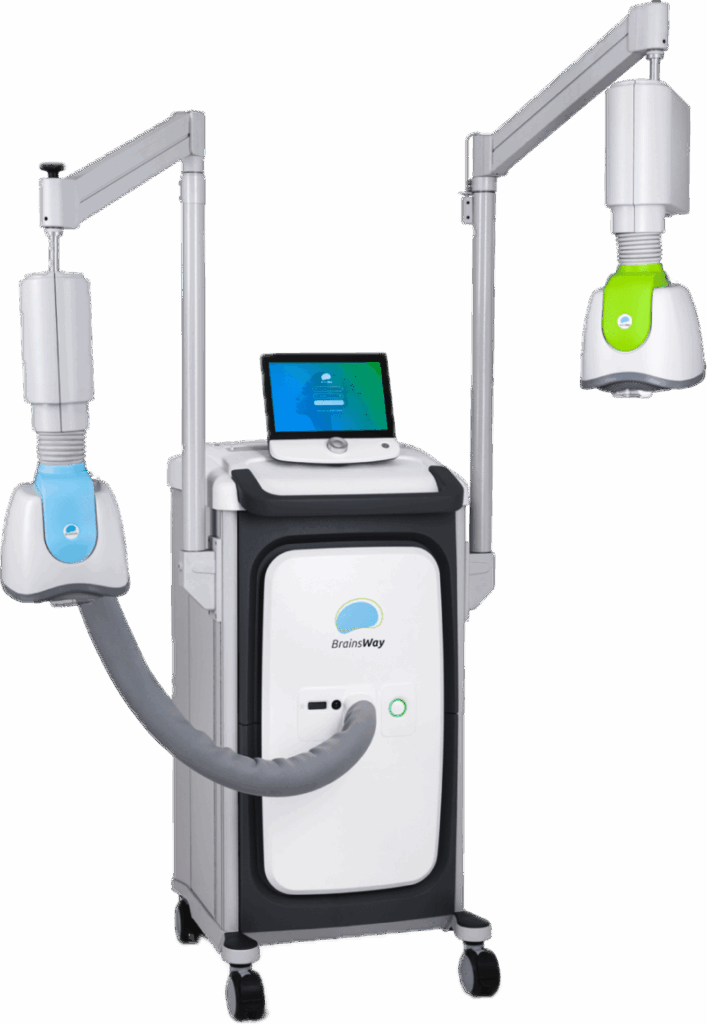
Both are used to treat mental health conditions, but they differ primarily in the type of coil used and the depth of brain stimulation. Deep TMS uses unique, advanced technology to safely reach deeper brain structures and influence their neural activity, producing greater results. It has a higher response and remission rate, especially for treatment-resistant depression.

Deep TMS is FDA-cleared in the United States due to its ability to safely and effectively treat:
- Depression
- Anxious Depression
- Late-Life Depression
- OCD
- Smoking Addiction

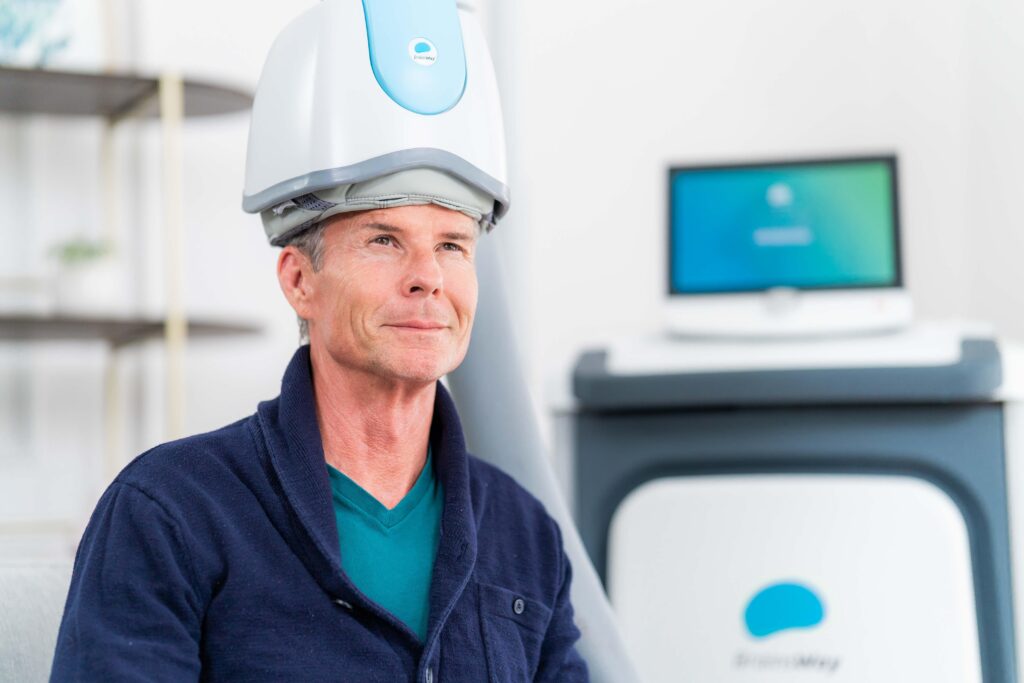
Patients sit in a chair while a cushioned helmet is placed upon their head. Once the device is activated, patients will hear and feel a light tapping sensation. During these short sessions, patients can read, talk or listen to music. Afterwards, patients can drive themselves and go about their daily routine.

TMS treatment typically consists of anywhere from 20 to 30 sessions spread out over four-to-six weeks. During this time, patients come in for sessions five times per week and each of these sessions last about 20 minutes. 
 Depending on the mental health condition being treated, there may be additional maintenance sessions after the initial course of treatment.

TMS therapy is an outpatient session that does not involve anesthesia, has no effects on memory, and is generally well-tolerated. It does not require a significant recovery period. The short 20 minute sessions can easily be integrated into each patient’s day-to-day schedule. It’s beneficial for those who suffer from side effects caused by antidepressants, such as  nausea, weight gain, loss of sexual desire and sexual dysfunction. TMS can be used with other forms of therapy or as a standalone treatment. To achieve greater results, combine TMS with talk therapy.   If you are resistant to antidepressant medications or experience severe side effects from them, consider a different treatment option, like TMS.

The total cost varies depending on diagnosis, the severity of the condition being treated and the amount of sessions required in your treatment protocol. We recommend using your health insurance plan, when possible. If approved, patients will typically incur a co-pay per session and/or deductible dictated by their insurance plan. In some cases, insurance may cover the full cost. If we are out-of-network, we can try to create a single case agreement with your insurance company.

If we don’t take your insurance or you don’t meet the criteria set forth by your insurance company, you can still get TMS by paying for the treatment yourself.

We offer a convenient pay as you go approach so patients don’t have to come up with the lump sum up front. Sessions are $250 and you pay at the start of every session.

There are advantages to becoming a self-pay patient: no insurance paperwork, waiting for insurance authorization, dealing with denials. You can start treatment right away. We have immediate openings available!

Self-pay patients also have the option to TMS therapy faster by doing Theta burst stimulation, which isn’t covered by insurance.

Yes. We are excited to offer this treatment method, which is quickly gaining in popularity. Intermittent theta burst stimulation (iTBS) uses a series of short, high-frequency magnetic pulses that are delivered in 3 minutes sessions instead of the 20-minute session used for conventional TMS. This is ideal for busy individuals.

Patients can finish a treatment course in less than two weeks instead of the conventional TMS course of daily sessions, five days per week for four to six weeks. This method isn’t covered by insurance. Some companies charge more for this service but we will honor the same price as conventional TMS.

Insurance Coverage for TMS
TMS is covered by many insurance companies as long as you meet their criteria, which usually includes:

  • Minimum age of 15 years old.
  • Diagnosis of a covered condition, like Major Depressive Disorder.
  • Failure of other treatments (usually after trying at least two medications).

Reasons for Insurance Disqualification:

  • Pregnant or nursing.
  • Suicidal ideation.
  • Substance abuse.
  • Psychotic symptoms.
  • Neurological conditions, such as a seizure disorder or epilepsy.
  • Metal in or around the head (dental fillings do not count).
  • Implanted devices sensitive to magnets (e.g., cochlear implant, stent, bullet fragments).

Note: Specific requirements can vary by insurance company, so it’s important to check your individual insurance plan.

We currently accept Aetna, Anthem of Nevada, Blue Cross Blue Shield, Cigna Evernorth, UMR, United Healthcare (Optum, Golden Rule, and United Student Resources)

Patients typically see results within the first 2-4 weeks of treatment. Some patients may notice improvements sooner, while others may require a few more weeks. The full effect should be felt by the end of treatment, which last 6-8 weeks.

  • Lifestyle factors like sleep, diet, and exercise play a role in treatment outcomes.
  • Talk therapy is highly recommended. TMS provides a biological foundation for improvement by modulating brain activity while talk therapy addresses the psychological aspects of the condition. This combination can lead to a more holistic and effective treatment approach, addressing both the biological and psychological aspects of mental health.

No problem! Choose from over 70 mental health providers conveniently located in our building. Use the search menus to narrow down a provider that fits your needs. Once you choose a therapist, call them directly to schedule an appointment.

Ready to improve your overall wellbeing?