
Traditional TMS works — but a 4-to-6-week course of daily sessions isn’t realistic for everyone’s schedule. If that timeline is what’s holding you back from starting treatment, there’s a faster option available at Kayenta Therapy: intermittent theta burst stimulation, or iTBS.
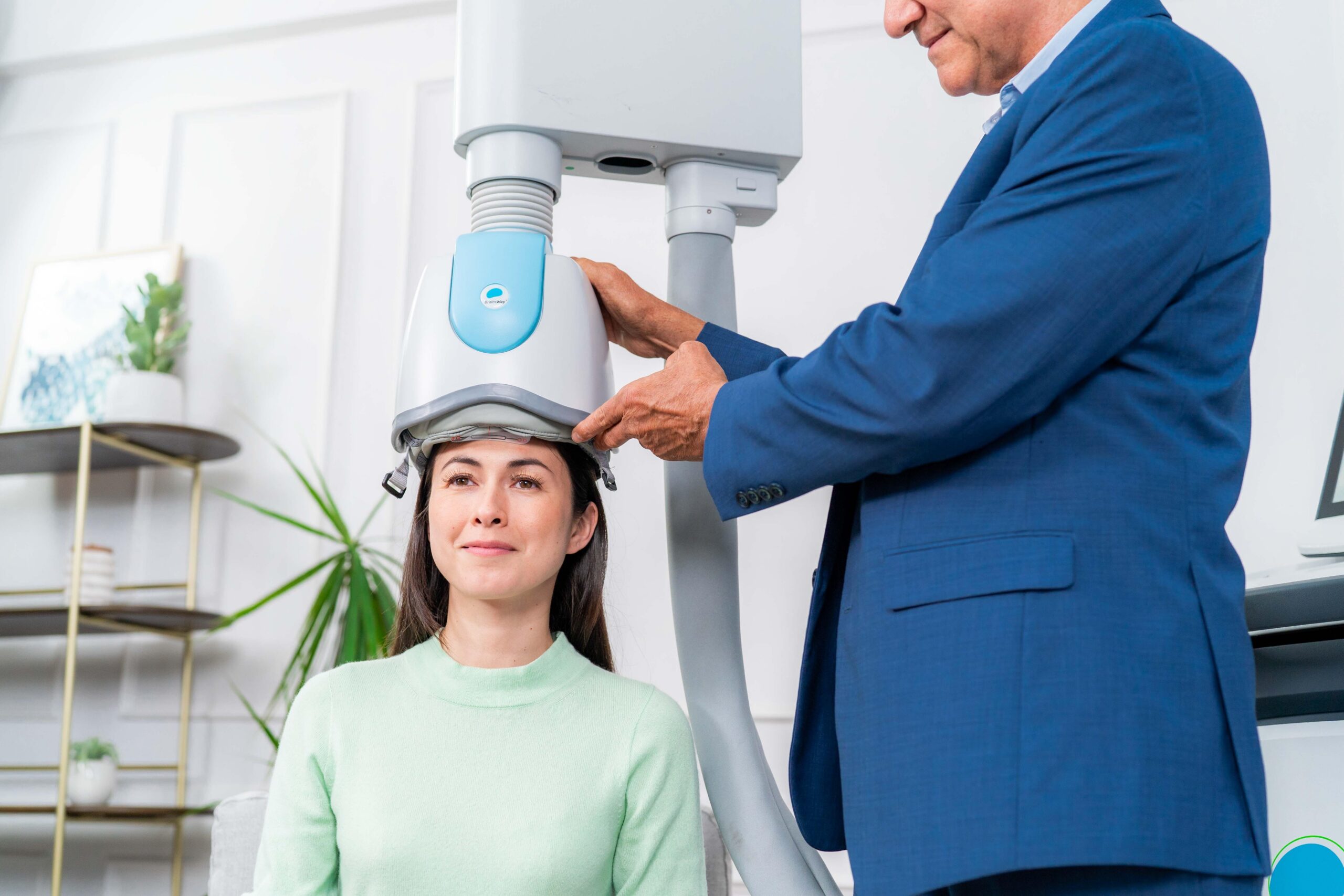
iTBS is a variation of TMS that delivers short bursts of high-frequency magnetic pulses in a compressed pattern, rather than the steady, single-pulse rhythm used in conventional TMS. That difference in pattern is what allows each session to be dramatically shorter — about 3 minutes, compared to roughly 20 minutes for a standard TMS session.
The technology itself isn’t new or experimental — it’s built on the same Deep TMS platform Kayenta already uses, with an accelerated protocol that’s received its own FDA clearance. What’s changed is the pulse pattern and pacing, not the underlying approach to stimulating the brain regions involved in mood regulation.
The clearest difference between the two is time — both in the chair and across the full course of treatment:
For someone juggling work, caregiving, or a schedule that simply can’t accommodate a daily appointment for six weeks straight, that compressed timeline can be the difference between starting treatment and putting it off indefinitely.
It’s a fair question: if iTBS takes a fraction of the time, does it work as well? The honest answer is that iTBS is still being compared to conventional TMS across different patient populations and providers, and results can vary from person to person, just as they do with standard TMS. What we can say clearly is that iTBS isn’t a shortcut or an experimental add-on — it’s an FDA-cleared accelerated protocol built on the same Deep TMS technology, not a different, unproven treatment.
The right way to think about it: iTBS trades a longer, more spread-out course for a shorter, more concentrated one. Whether that trade-off makes sense for you is exactly the kind of question worth bringing to a provider during your evaluation.
Here’s the trade-off worth understanding upfront: iTBS is not currently covered by insurance, regardless of your plan. Most companies charge more for this accelerated treatment. However, Kayenta Therapy will honor the same price as conventional TMS – $250 per session, paid as you go rather than as a lump sum upfront.
For patients who qualify for insurance-covered TMS but want the shorter timeline anyway, or for patients who are self-pay by circumstance, iTBS offers the same advantages as any self-pay treatment path at Kayenta: no insurance paperwork, no waiting on prior authorization, and no risk of a denied claim derailing your plans. You can typically get started as soon as an opening is available.
The candidacy criteria for iTBS mirror the criteria for conventional TMS — a diagnosis of major depressive disorder (including treatment-resistant depression), being 15 or older, and clearing the same medical safety screening (no seizure history, no incompatible implants, and so on). If you’ve already been evaluated for TMS, or you’re curious whether you’d qualify, the same initial consultation process applies. The main additional question is a practical one: does a compressed, roughly two-week course fit your life better than a six-week one?
Every iTBS course begins the same way conventional TMS does…
1) Complete our simple TMS form.
2) Receive a phone consultation.
3) Meet with our provider for a medical evaluation.
They will review your history to confirm if you are a candidate and discuss your treatment options. You will then have a brief mapping session to calibrate the treatment to your brain’s response.
If the idea of six weeks of daily appointments has been the thing standing between you and starting TMS, theta burst stimulation may be worth a conversation. If you are looking for a faster path through treatment, call Kayenta Therapy at (702) 438-7800 or fill out the online form to find out if iTBS is a fit for you. You can also learn more about TMS therapy at Kayenta before you reach out.
This article is for general educational purposes and isn’t a substitute for a personalized medical evaluation. Only a qualified provider can confirm whether iTBS or conventional TMS is the right fit for your specific situation.
