
It is completely normal to feel a bit anxious when researching new mental health treatments. When you hear terms like “magnetic brain stimulation,” it is easy to imagine a sci-fi scenario and wonder: Is TMS actually safe? Will it change who I am? Are there long-term side effects?
The short answer is yes, TMS is incredibly safe long-term. Deep TMS (Transcranial Magnetic Stimulation) is an FDA-cleared, non-invasive therapy with an excellent long-term safety profile. Unlike traditional antidepressant medications or older treatments, Deep TMS offers the potential for lasting relief from depression and OCD without permanent negative side effects.
Here is everything you need to know about the science, safety, and long-term effects of Deep TMS.
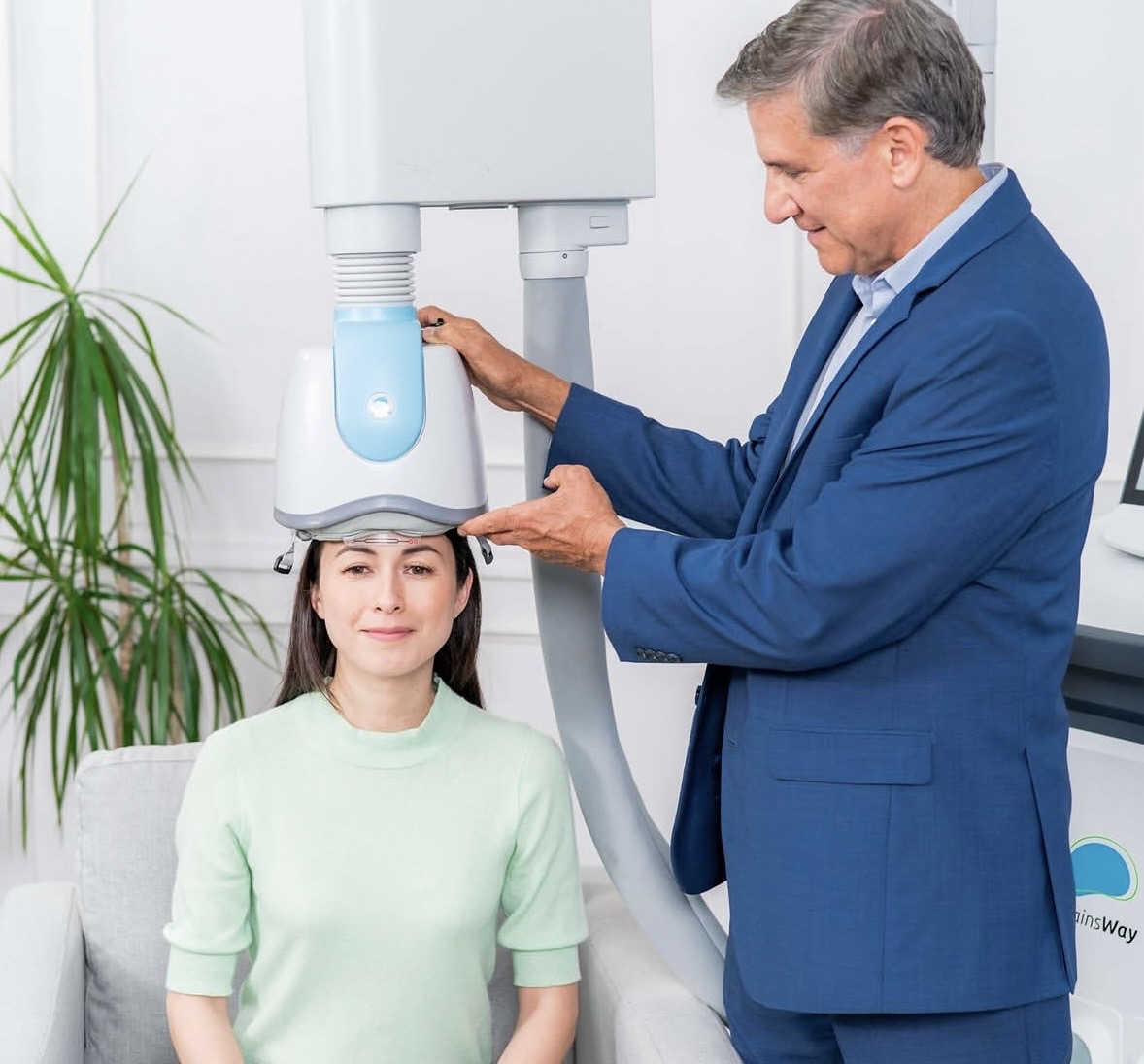
To understand why TMS is safe, it helps to understand how it works. Deep TMS uses the same type of non-ionizing magnetic fields as a standard MRI machine.
Decades of clinical research and millions of treatment sessions worldwide have consistently shown that this type of magnetic energy is harmless to brain tissue. At Kayenta Therapy, we utilize BrainsWay Deep TMS technology, which includes built-in safety measures to perfectly regulate the magnetic intensity for each patient.
When discussing long-term safety, it is helpful to compare Deep TMS to standard treatments like SSRIs (antidepressants).
Medications are systemic. When you swallow a pill, it must be digested and travel through your entire body before reaching your brain. This systemic journey is why antidepressants frequently cause persistent, long-term side effects such as severe weight gain, sexual dysfunction, chronic fatigue, dry mouth, and emotional blunting.
TMS is localized. It bypasses your digestive system entirely and strictly targets the specific underactive mood-regulating centers of the brain. Because it doesn’t flood your whole body, it completely avoids those frustrating, long-term physical side effects.
We believe in complete clinical transparency. While there are no long-term adverse effects, you may experience some short-term, mild side effects as your body adjusts to the magnetic pulses.
The most common temporary experiences include:
These side effects are generally mild and tend to fade completely within the first week or two of treatment. Most patients easily manage any initial headaches with over-the-counter pain relievers like ibuprofen.
The most significant long-term effects of TMS are overwhelmingly positive.
Deep TMS promotes a concept called neuroplasticity. By sending repeated magnetic pulses to underactive regions of the brain, TMS helps “rewire” and strengthen healthy neural pathways. A standard 4-to-6-week course of treatment often leads to a sustained remission from treatment-resistant depression that can last for years. Rather than just masking your symptoms day-by-day with a pill, TMS actually helps heal the brain’s circuitry over time.
While TMS is highly safe for the vast majority of people, certain medical histories disqualify individuals from receiving treatment. You are not a candidate for TMS if you have:
If you are tired of cycling through medications that don’t work or cause unbearable side effects, Deep TMS offers a safe, evidence-based path forward.
Take the next step toward reclaiming your mental health. Complete our online TMS screening form today, or contact our Las Vegas clinic at (702) 438-7800 to schedule a consultation with our psychiatry team.
